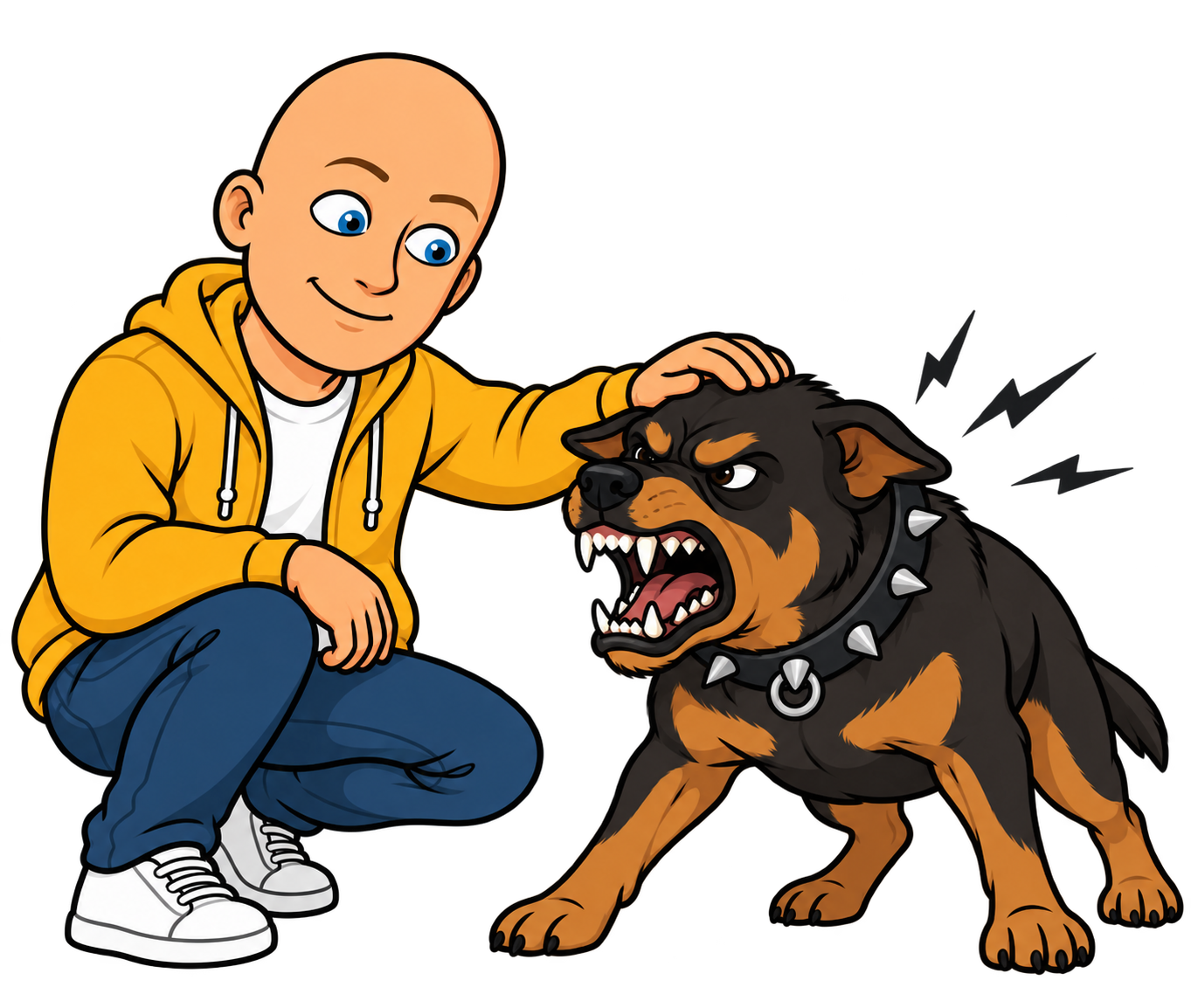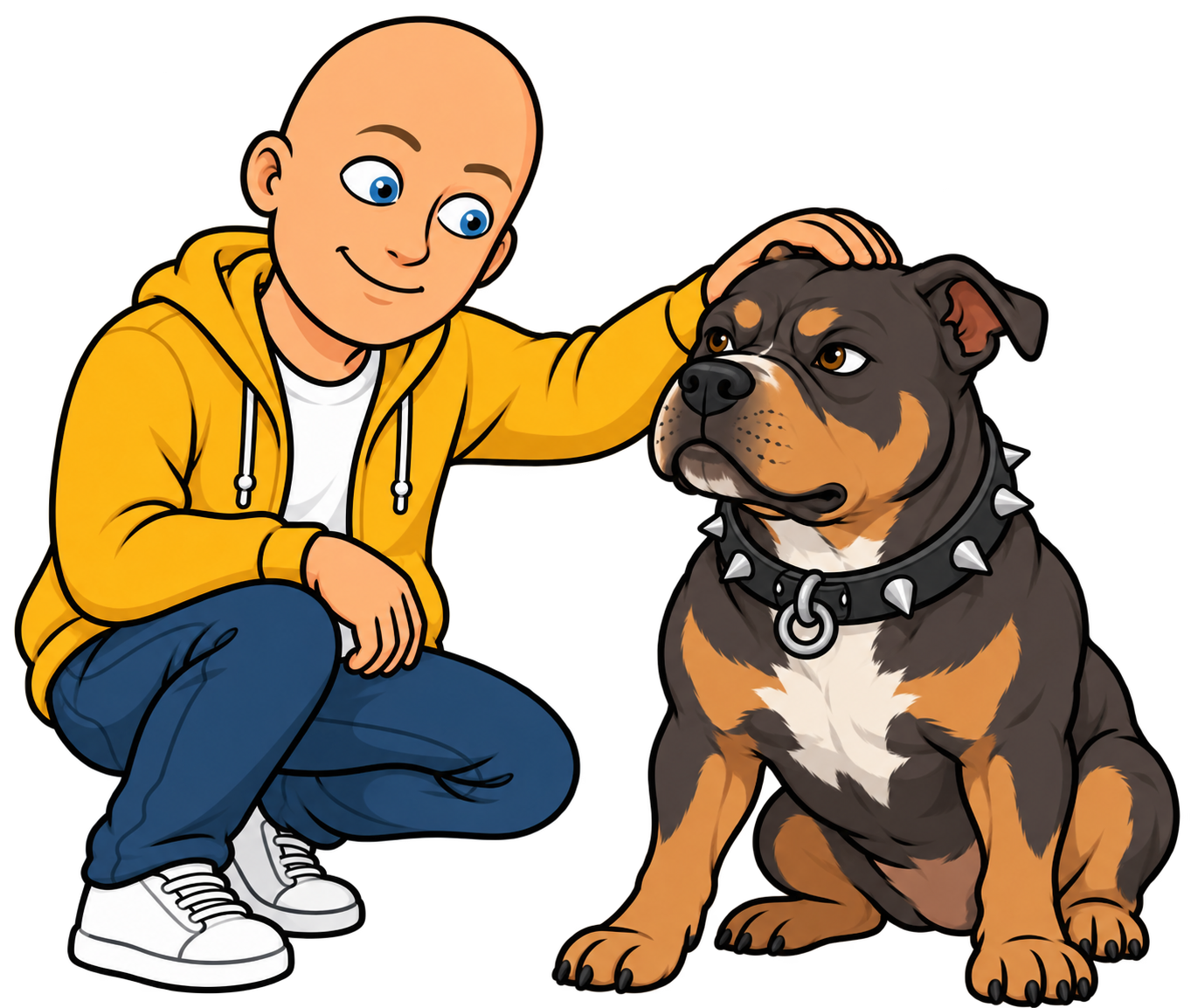
Imagine you see a dog and want to pat it, even though it looks a bit rough so you ask the owner if it’s okay. They tell you that he’s fine but has bitten people before so suggests you don’t pat him. But you think the dog seems ok, so you stroke its head gently. It growls a bit but then wags its tail and looks excited, so you smile at the owner, and carry on with your day.
It was a bad decision as you were warned by the owner that you could have been bitten. But it was a good outcome, so when you think about the experience it may feel like a good decision. Nothing about the decision changed just because the bad thing didn’t happen. You still chose to ignore a warning from the owner, and the fact that it worked out doesn’t mean it was a good decision. But you might well look back and think it was.
The reverse is true too. You can make a good decision and have a bad outcome. An example of this is a couple I follow on Instagram called Expedition Ola. They go to Mexico, find street dogs that have been abandoned, and rescue them. They recently found a dog they called Birdie who’d been hit by a car. Both her back legs had been shattered and her spine broken. They took him back to California and looked after him but the big question was should Birdie have her legs amputated. So they took her to multiple vets, did lots of research and spoke to every expert they could find. The response was very clear: the best thing for Birdie would be to have her legs amputated. Even though the amputation carried risk, the danger of doing nothing was that the wounds she had from dragging her broken legs around behind her would become infected. That likelihood of an infection was high which had a strong possibility of being fatal. So they decided to have her legs amputated, and initially it was successful. But a few weeks later, there were complications and Birdie was not healing the way they’d hoped. The hundreds of thousands of followers kept checking their insta feed for an update, and while Birdie is in a better place than she was, she’s not out of the woods yet. Was it a bad decision? The answer is no. It was still a good decision based on the evidence they had available, it just wasn’t the good outcome they’d hoped for.
It’s easy for thoughts to creep in, telling you that you made a bad decision, because the outcome wasn’t good, but that doesn’t change the original decision making process.
The academic term for this is outcome bias, and it was first demonstrated by Jonathan Baron and John Hershey in 1988. Since then it has been replicated many times, including in 2023 with a much bigger effect. In that experiment, participants were all given the same information about a situation, and asked to judge whether a good decision had been made. Those that were later told that the outcome was bad, said it was a bad decision. So it’s not about judgment at all. Your mind brings in information and tells a story that only exists after the fact, and uses it to be right about the past.
It can be really helpful to check in on our own thoughts after we make decisions, as our mind can misremember the decision making, based on a surprising outcome. If you have a bad outcome, it doesn’t mean your decision was bad. And if you pat a dangerous dog and don’t get bitten, that outcome doesn’t change the fact that the decision wasn’t smart. So today, if something doesn’t go the way you wanted after you made a decision, see if you can ask yourself whether you made a good decision - regardless of the outcome. Because sometimes our mind will rewrite the past based on the outcome, and that’s not helpful at all. It can influence future decisions, and could make you more likely to pat a dangerous dog, and next time it might not end so well.