

Do you remember the first car you ever bought? 🚘
Mine was a second hand Renault 5 with 80,000 miles on the clock. I loved it. I bought it when I started my first graduate role, and I looked forward to the end of the day when I could put the key in the ignition and drive it home. I even gave it a name - Cosmic (don’t judge!).
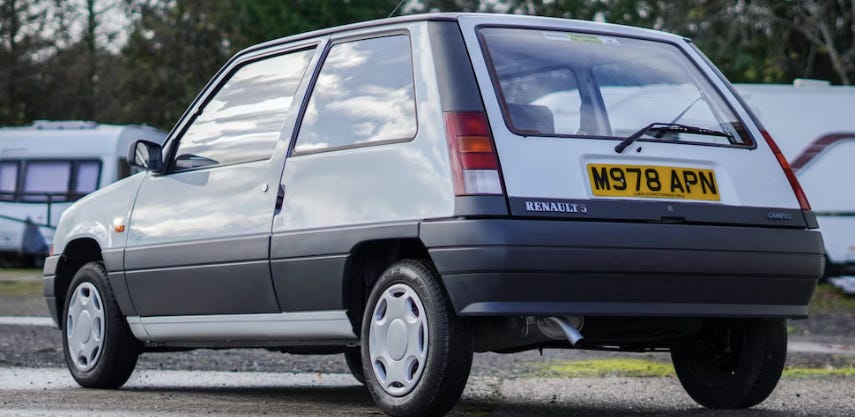
So when someone scratched it in a car park, I was not happy. In fact it felt painful. I was hurt that someone had done this to my car. It was almost as if I’d been scratched myself.
The opposite was true when many years later I bought a really nice little sports car. I felt happy - as if somehow buying this car had improved me. That’s the thing with nice stuff, you’re not just buying the object, you’re buying the way it makes you feel, and the status you think it gives you.
It’s all part of the marketing that we are invited to feel when we buy a new car. You love looking at it in the drive, and when people compliment it, the feeling is as if they are complimenting you. The car is by extension, a piece of you.
This seems great, but what happens when your neighbour buys an even nicer car and you peer out of your bedroom window and see them parked next to each other? Somehow your car doesn’t feel as nice any more. And without realising it, you feel a little less than you did before. Nothing about your car changed, but your perception of it did, and it probably had an effect on how you feel yourself.
The same thing happened when my car got scratched. I didn’t feel as good as I did before it was damaged.
We identify with things, and when something happens to it, we feel the effects personally. When this is positive we feel good, and likely don’t even give it a second thought. But when something negative happens, it can affect how we feel about ourselves because we identify so closely with it.
Clearly the car getting scratched doesn't physically hurt us, but imagine someone intentionally running a key down your car and scratching it. How does that feel?
It’s important to be aware that these are just thoughts about how we perceive what’s happened. Often we don’t even realise it, and just accept that the feeling is part of who we are. It isn’t.
We don’t have to identify with things like this. It’s not just cars, it could be anything - a new jacket, the latest iPhone or a Swiftie getting tickets to the Eras tour. It doesn’t stop there - you can identify with your job so much that if people diminish your profession, you feel diminished yourself. I’ll talk more about that next time.
The problem with identifying with things so closely is that we can get stressed when something happens to it. Yes, it’s annoying if there’s an ugly scratch down the side of your car, but it turns out that your thoughts about the scratch are more of an issue than the scratch itself. The scratch probably needs fixing, but it’s your thoughts about how the scrape makes you feel that does the real damage.
It wouldn’t be unusual for you to have thoughts like ‘why did they do that to me?” But they didn’t do it to you. It happened to your car.
Being able to notice your thoughts when you identify with something like this is a great way to reduce stress. Then you’ve got a chance to let these thoughts go.
The scratch will be there either way, it’s just that this way you’ll not have unhelpful thoughts causing you additional stress.