

Have you ever seen ducks fight? They can be ferocious, pecking, quacking and splashing about as if their lives depended on it. It can last a few minutes or much longer, but once it’s over something really interesting happens. The ducks swim away from each other in opposite directions. Then they stop and flap their wings as fast as they can, standing up on the water.
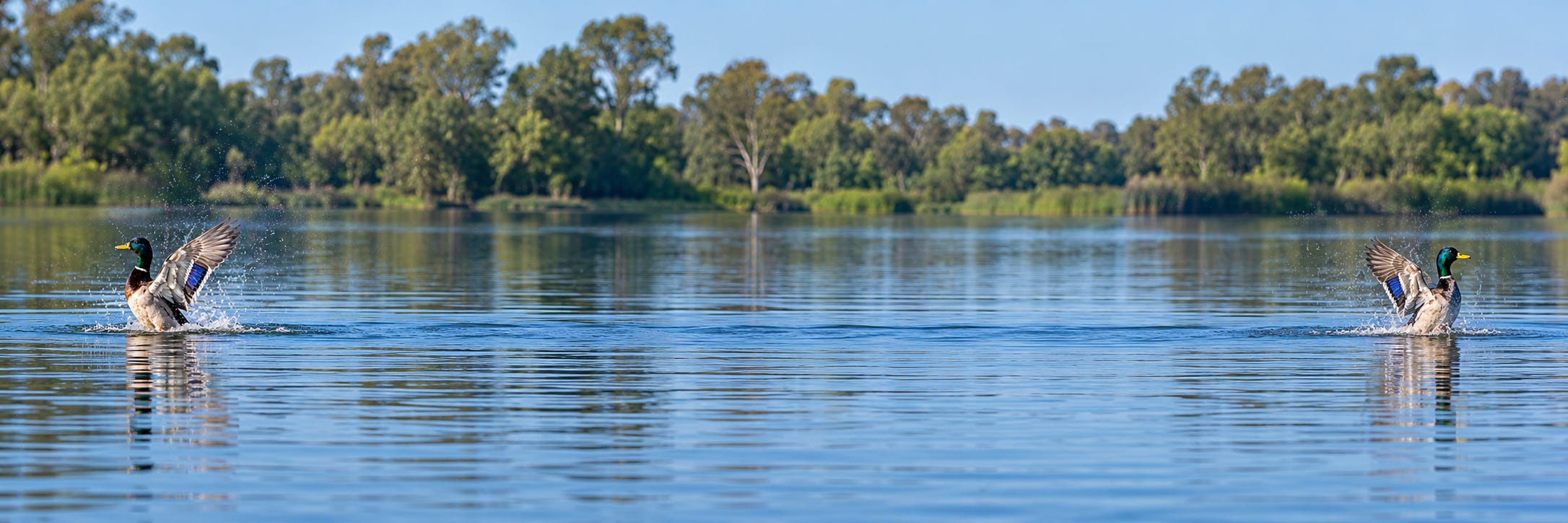
What’s fascinating is that it appears to be their way of releasing their build up of stress. They flap to get rid of the stress hormones so their body is no longer in fight or flight, as the danger has passed. Once they stop flapping, they swim off to carry on with their day.
It’s a nervous system reset that helps them flush out everything they no longer need for the fight, and off they swim.
We can learn from this too.
Dr Jill Bolte Taylor, the neuroanatomist credited with the first ever viral TED talk, describes the initial surge of an emotion as lasting around 90 seconds if we don’t keep re-triggering it. So why do we stay stressed for so much longer? Well, unlike the ducks, humans have a mental narrative that tends to kick in after the fight is over. We go over the situation in our heads over and over, constantly reminding ourselves of the situation that caused the stress response in the first place. The body’s response to a thought about a fight can be the same as if the fight was actually happening. So the fight or flight response is activated again, and again (eg adrenaline pumping, heart racing, feeling sick, tight chest). Every time you relive the moment in your head, it feels real, and the body responds, over and over and over again.
Most of the time there isn’t a real danger, it’s something we are worried might (or might not) happen. Maybe an important report is due at work, or you’re worried about a challenging individual you have to speak to. Or maybe the thought of what someone said or did makes you feel angry. If you think about it, you can re-trigger the fight or flight response, as if it was happening right now. The mind finds it hard to differentiate with an actual threat and one that our mind has created.
But if you let the thought move on without engaging with it, the surge settles much faster than you’d expect.
There’s a simpler way than flapping your arms around after a meeting, called Somatic Hand Shaking:
Stand with your feet about a hip-width apart and keep your knees loose
Let your arms hang down and gently shake them from the shoulders
Then shake your hands and fingers quickly, as if you are trying to shake water off your fingertips
Feel the vibration go from your fingers back up your arms to your shoulders
Exhale slowly, which stimulates the vagus nerve and helps calm you from the inside
Continue for 1-2 minutes
Ok it’s similar to the flapping, but many people find it an extremely effective way of settling the body, and you might too.
If you’re at work and feel particularly stressed coming out of a meeting, or a phone call, find a quiet corner, or the bathrooms, and have a somatic shake. It’s a quick way to reset, so you can get on with your day.