

I used to manage a small business called Sliding Doors, that for several years supported people to find new roles, especially after redundancy. I would regularly see first-hand the personal impact when someone was told that they would be losing their job. This would have the obvious financial implications, but what caught most people off guard was the impact it had on a much deeper level - their identity.
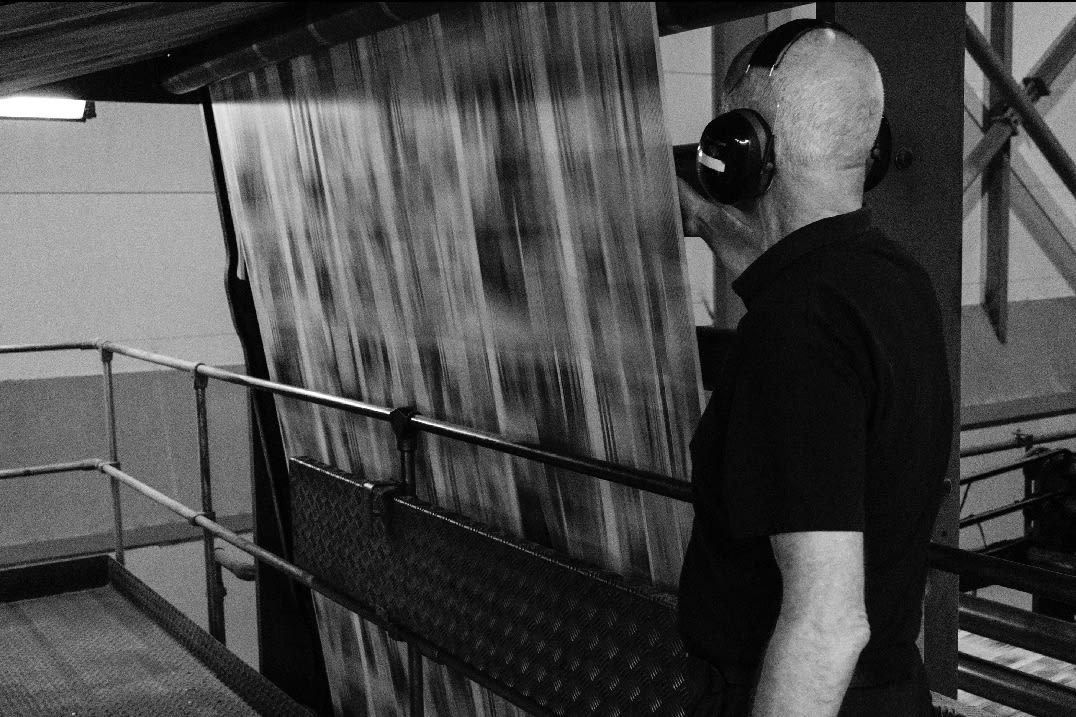
An example where I saw this on a large scale, was when I worked with a newspaper giant during the closure of their printing operations, where literally everyone at the site was no longer needed as a result of the digital revolution. People who had been printers all their life wrestled with the change that was suddenly thrust upon them.
“What am I going to be if I’m not a printer?” someone asked me. In addition to not being able to see themselves doing another job, there was a different question they were also asking themselves, which was ‘Who am I going to be if I’m not a printer?’.
Thinking
For over 30 years, they’d thought of themselves as a printer. Working through the night to meet a high pressure deadline of getting the papers out by 3am, so everyone in the country could get the news before breakfast. It was more than a job, it was their identity. When they met people at a BBQ they would tell people they were a printer, and had interesting stories about ‘holding the front page’ on September 11, and how in the early days they knew what was happening in the world before everyone else. So when this was taken away from them, it was more than just the job, it rocked the foundations of their whole identity.
My role in this wasn’t just to help them realise that they had transferable skills like working under pressure, attention to detail, and leading teams. I also needed to help many of them manage the loss of their identity as a printer.
It’s also the same scenario for educators, when faced with thinking that they were losing their identity as the local teacher. C-Suite executives can find it just as tough when they think they’re not going to have the same respect from their title that they are perceived to have from those around them.
In each example, individuals are so closely identified with their role, that when it’s taken away, there’s pain and worry around who they would be now, if they weren’t a printer / teacher / accountant / CEO / support worker.
The mind gets us so closely identified with our role at work, that when that role is taken away, we question who we really are. There’s nothing wrong with being proud about the work we do, but it can have negative implications if we identify ourselves too closely with it.
2. Unthinking
To be able to detach from this identification we can unthink the way we perceive the roles we have. Shifting the perspective can make a big difference:
Instead of telling yourself ‘I am a printer’, you can say ‘I am someone who prints”.
It’s a subtle but very important difference. Rather than being defined by being a teacher - you think of yourself as someone who teaches. This still paints the picture of the work you do, and potentially who you are, and what you value. But you’re not so closely identified with the name of the role, and if it were taken away from you it wouldn’t be an issue.
If your role defines you, it’s not in your control - so when someone takes that job away - or you retire, or take parental leave - it can feel like you’ve lost your identity, who you are. This lack of control can add an extra level of stress. In some situations you’ll feel less of a person, or even grieve the ‘printer’ that was.
3. Aligning
Thinking of yourself as someone who prints ( or teaches/plays/analyses/cooks/practices law/cleans) - means that the real you is not the printer, you are the person that prints. Not only is this liberating to people who can shift their perspective, it also helps them see that there are many more options for them.
When an entire industry of printers ceases to exist, it’s very hard to move forward in a positive way. But by aligning yourself with what’s happening, and by accepting that printing newspapers isn’t a viable career any more, it’s easier to stay calm without stressing. It’s from there you can realise that there are jobs out there for people who have your skills (working under pressure / attention to detail/managing people). Otherwise, if you see yourself defined only as being a printer that no-one needs, the impact can be very damaging.
Have a think about how often you say or do things that define you as your role. There’s nothing wrong about seeing yourself as the noun (construction worker/electrician/singer etc) but sooner or later you will no longer have that role - and then you’ll have to experience life without that identity. It’s better to see yourself as someone who does these things (builds/wires houses/sings/parents), which you can enjoy doing, relate to and even be respected for - but you’re not tied to it as part of your identity.
So next time someone asks you about your job - tell them what you do, rather than what role you have.
Better still, tell them why you do it - that’s far more interesting anyway.