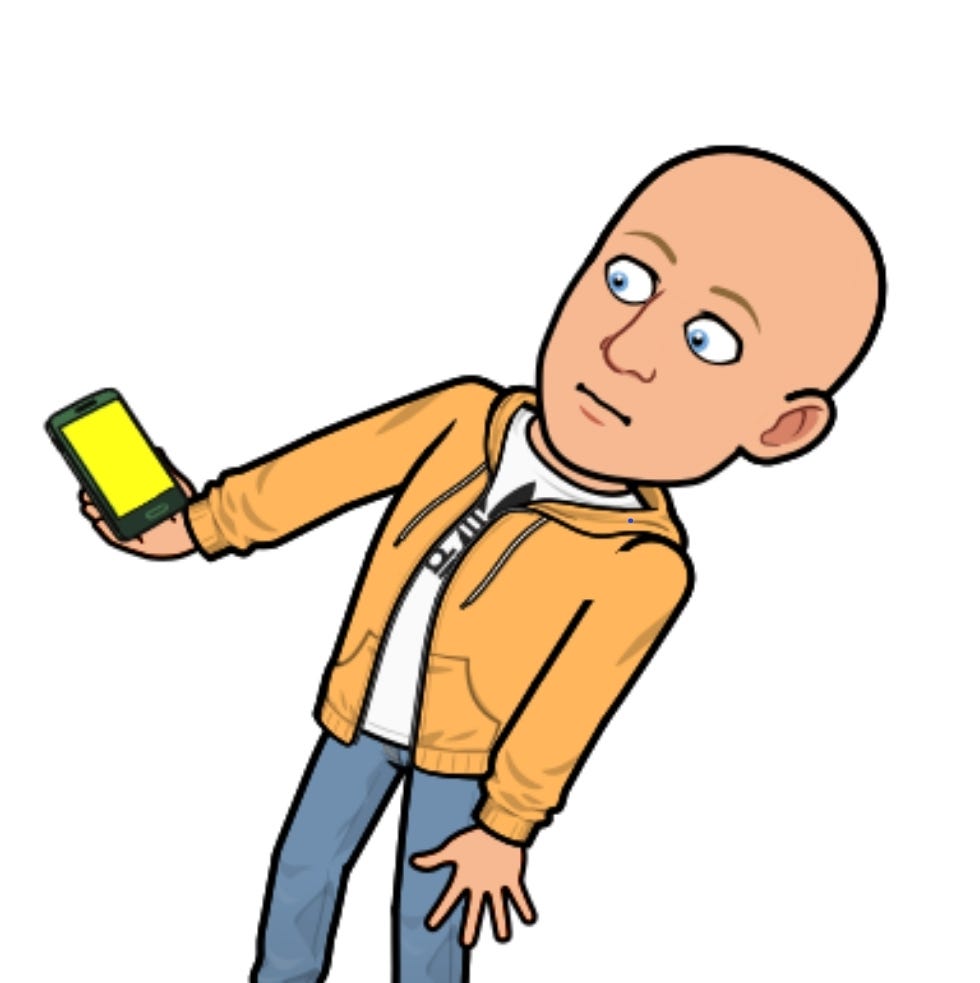
You have far more control on how you respond to situations that your mind would like you to think. The way you react to a situation is often based on past experiences, which your mind uses as a way of keeping you safe. That’s ultimately your mind’s main job - to keep you alive. How it does it, doesn’t matter to it.
Thinking (something to think about)
If you see a shadow in the corner of your eye, your reaction will depend on what your mind thinks is there. If you think it’s a dangerous person, you’ll be flooded with stress hormones to prepare you for conflict or escape. Whether there is someone there or not doesn’t cause those stress reactions, it’s what’s in your mind. That may seem obvious, but it’s an important distinction. We think we’re responding to actual events (ie. there IS a person there and I AM in danger) but we’re actually responding to what we THINK is happening. Our reaction would be very useful if somehow we had a physiological response to danger regardless of whether we knew it was happening - that even if we didn’t see/hear/smell the danger, our spidey-senses caused us to be instantly ready to protect ourselves. But that’s not the case. We depend on our senses to give us information to let us know if we’re in danger, but it’s our mind’s role to make the call on how we respond.
Your brain’s limbic system is responsible for managing emotions and it does a great job of it most of the time. You actually have more control over your emotions than you probably realise. I remember as a kid, there was a time when I was being really shouted at for misbehaving (probably with good reason!), and then the phone rang. I didn’t think my parent would answer it, as things were so heated, but to my surprise they picked up the phone and took the call. I remember thinking that whoever was on the other end was going to be in for a nasty shock and the wrath would be directed at them instead of me. What happened next was the exact opposite though. The call was from someone at their work, and my parent switched emotions instantly to being polite and jovial. After 5 minutes, they were even laughing with the person on the other end of the phone, and it was as if my berating had never happened. I couldn’t believe my luck - now they were in a good mood, and the telling off would be over! But there was another shock in store for me. As soon as they hung up, they immediately switched back to the angry parent mode, and simply carried on where they left off.
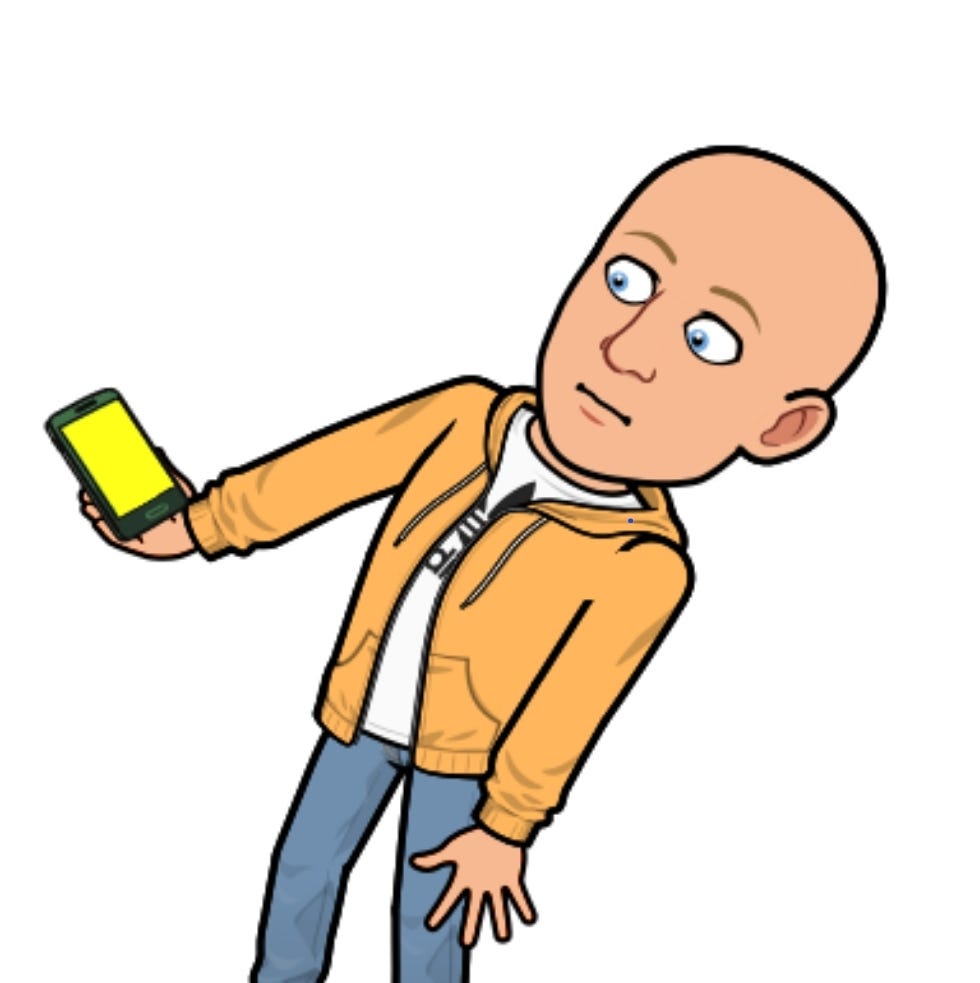
Unthinking (something to stop thinking about):
We often feel that the way we respond to a situation is completely outside of our control. It isn’t. It’s based on our thoughts, and experiences of how we’ve responded in the past. And as we saw in a previous blog, Dr Jill Bolte Taylor has shown that our physiological emotional responses last for a maximum of 90 seconds. You can bring the emotion back with another thought if you want, but you don’t have to. Not that every emotion should be stopped or ignored, but if you’re feeling stressed, it’s helpful to be aware that your mind is playing more of a role that it necessarily needs to.
As Noam Shpancer Ph.D stated in The Three Laws of Emotional Mastery, “emotions and thoughts, are mind events, not world events”. In other words, it’s our thoughts about a situation that cause the emotion not the situation itself.
Syncing
You have more power over your thoughts than you think. Next time you find yourself caught in negative emotions, see if you can snap out of it, even for a second - Imagine you’ve got a call from someone really important and you have to speak to them right now. Not always easy, and certainly not possible in all situations for the first attempt, but you may be surprised to find that you can stop the thought (and the emotion).
It’s worth trying on low impact situations first, like a bad driver cutting in front of you on the way to work. The more you try, the easier it becomes, and the more likely you’ll be able to get in sync with the world around you, and get out of your head.
(If the monkey in the ‘Drop the Banana’ video had got a call from their boss, they may well have avoided capture!).